The European Commission is stepping up efforts to increase domestic production of protein crops, aiming to reduce reliance on imports, strengthen supply resilience and support more sustainable farming systems.
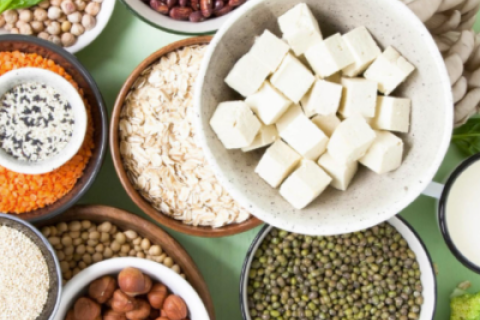
Under its new Protein Action Plan, published in July 2026, the Commission aims to raise the share of protein from oilseeds and protein crops used as animal feed that is produced in the EU from 25.8% today to 35% by 2035. The focus is on crops such as pulses and soya that can be grown under European conditions.
The EU remains particularly dependent on imports for high-protein feed. In 2025, only 25% of protein from oilseeds and protein crops used as animal feed was sourced within the EU. Soya accounts for the largest share of these imports: in 2024–25, the EU imported 13.4 million tonnes of soya bean and soya meal protein, mainly from Brazil, Argentina and the United States.
The Commission plans to encourage farmers to grow more protein crops through a combination of Common Agricultural Policy measures, investment in storage and processing, and stronger links between farmers and other parts of the value chain. Research into seeds, crop resilience, processing and resource efficiency will also form part of the strategy.
In addition, the strategy aims to increase the use of protein crops in human food. Greater availability of locally produced pulses and other protein-rich crops could broaden the supply of regional ingredients, while origin labelling, public procurement and EU-funded promotion campaigns are intended to improve consumer access and stimulate demand. The transition will take time, however, as cultivation, processing capacity and markets develop alongside one another. Over time, the measures could give pulses, oilseeds and other protein crops a larger role in Europe’s food and feed supply.